You’re doing better than you think.
The end of the year brings many things, celebrations, travel, and food are in full swing and for many…
The worry about “losing progress.”
It’s easy to step on the scale after Thanksgiving or a few festive dinners and feel like you’re back at square one.
Fortunately, the number on the scale is one of the LEAST RELIABLE measures of your actual progress, especially this time of year.
Let’s break down why, and what you should be paying attention to instead.
The Scale Can’t Tell the Whole Story
Your body weight naturally fluctuates from day to day, sometimes by several pounds, depending on
- Water retention
- Sodium intake
- Carbohydrate storage (glycogen)
- Hormones
- Digestion timing
Let us explain, during the holidays, you might eat more sodium and carbohydrates, which causes your body to hold onto extra water.
That can look like weight gain, but it’s not fat gain.
Psychologically, it’s still challenging… So we thought it worth highlighting this week.
You’d have to eat roughly 3,500 extra calories beyond your needs to gain a single pound of body fat.
Pay close attention to that “beyond your needs” part. That means if your maintenance calories are 1800 then you’d need to eat a total of 5300 calories in order to gain just one pound.
That might sound easy, but it’s not.
Most of the “post-holiday bloat” you see on the scale is temporary and will regulate within a week or two once your routine normalizes.
What Actually Changes Your Progress (and Metabolism)
The biggest reason people feel like their metabolism “slows down” over the holidays isn’t aging or one big meal – it’s less movement.
When routines shift, your NEAT (non-exercise activity thermogenesis) – all the calories you burn through everyday movement, drops dramatically.
Think about it:
- More sitting during travel or movie nights
- Fewer steps because of cold weather
- Less lifting (missed workouts), walking, or yardwork
- More time spent eating, socializing, or relaxing (which you deserve!)
This doesn’t mean you need to punish yourself with workouts.
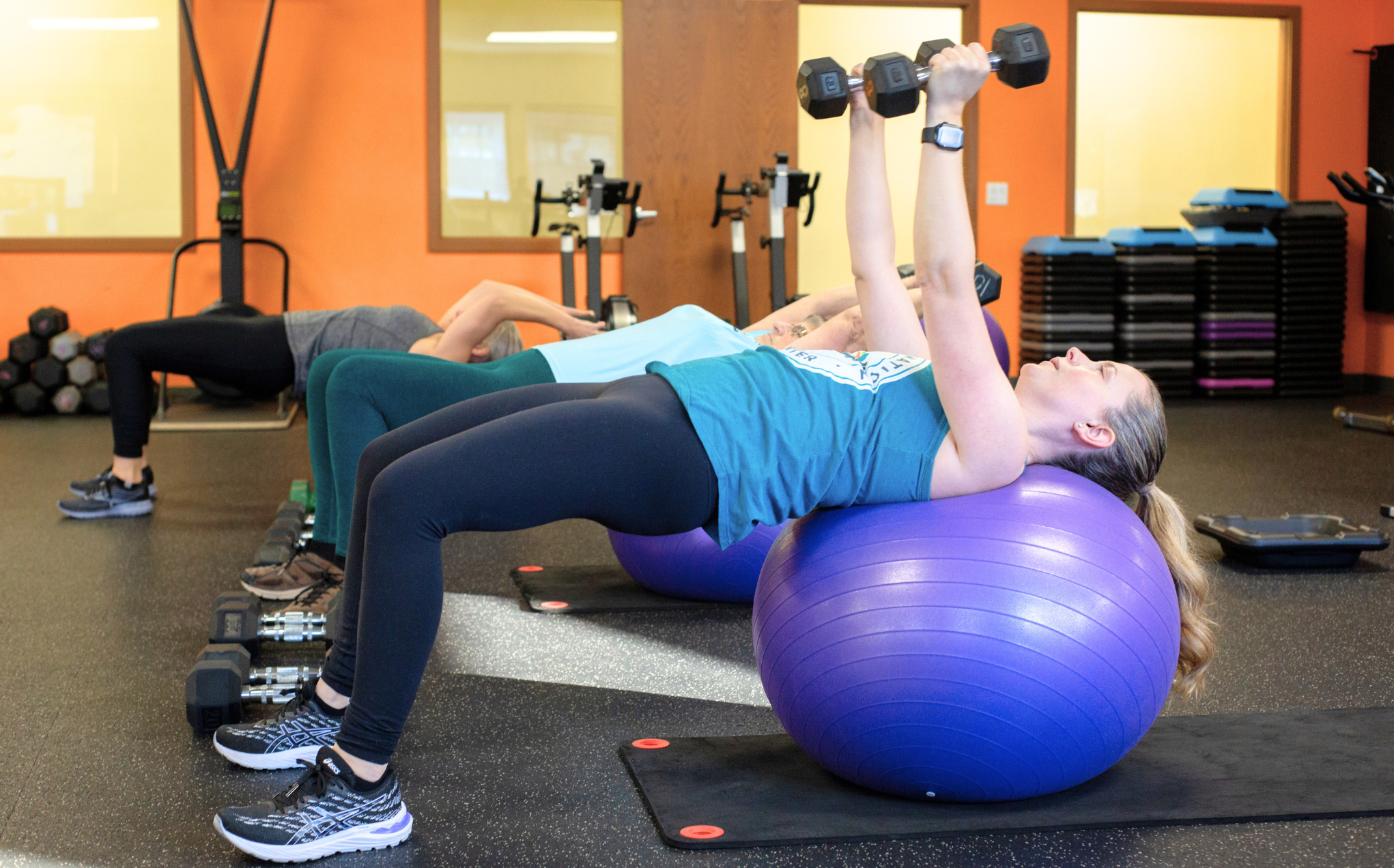
It simply means that consistent movement – walks, stretching, resistance training, even dancing in the kitchen – keeps your body FEELING GOOD.
Your metabolism thrives when you move often, not just when you “burn calories.”
Metrics That Matter More
If you want to measure progress this season, here’s what actually tells you how far you’ve come:
- Strength Gains: Are you lifting heavier, doing more reps, or moving with better form? That’s muscle, not “just weight.”
- Energy Levels: Are you less fatigued, more alert, or sleeping better? That’s your metabolism working more efficiently.
- Mood and Confidence: Exercise improves dopamine and serotonin – holiday stress feels lighter when you move your body.
- Clothing Fit and Posture: Muscle is denser than fat, so your body can get leaner even if the scale doesn’t change.
- Consistency: Showing up – even twice a week – through a busy season is success. You’re building habits that last, not chasing short-term numbers.
Rethinking Progress at the End of the Year
You didn’t lose progress because of a few indulgent meals… you made progress by building a lifestyle that allows flexibility without guilt.
We see this every year: members who stay active, fuel their bodies with balance, and give themselves grace are the ones who enter the new year feeling strong, not defeated.
So this season, celebrate what the scale can’t measure…the fact that you’re still showing up for yourself despite busy schedules, cold temperatures, and darker days!
You got this, and if you need help getting into an exercise routine or help with nutrition for the new year, send us a message!
Recent Comments