To be honest, we couldn’t be more excited about this.
Weight loss, GLP-1s, fad diets, vibration plates, peptides, strength training, fasted cardio…
While all of those may or may not be helpful in the journey, in proper amounts, depending on which one we’re talking about, it’s actually none of those things.
What we keep hearing again and again is that people are shifting their focus.
From getting skinny, chasing extreme diets, and trying to force quick results… to something a little more well rounded.
Something that focuses on getting stronger, not just fitting into a box.
And honestly, that feels like a very healthy shift.
Of course, it is still important to lose body fat. Obesity remains a major ongoing problem in the U.S. and locally here in the Midwest. It is objectively a major contributor to all-cause mortality and many major diseases including cardiovascular disease, type 2 diabetes, certain cancers, fatty liver disease, joint degeneration, sleep apnea, and more.
So no, body composition does not suddenly stop mattering.
But what we keep hearing is that while fat loss may be the reason someone starts, once they begin, it stops being the only thing that matters.
When people begin focusing on all the other reasons to exercise and eat better, energy, sleep, strength, confidence, mental clarity, mobility, that’s when it all starts to make sense.
You begin noticing life itself looks a little different.
The kind of things where:
You are not crashing mid day and wondering why a nap still doesn’t help.
The hunger that used to feel constant starts calming down.
The trips to the pantry become less automatic.
The brain fog eases and you stop second guessing what you walked into a room to do.
The body simply starts feeling more capable again.
Slowly, yes… but noticeably.
There is no doubt fat loss is still a priority for many, but the shift showing up in people is also showing up in the science.
That’s because body fat loss, when done well, tends to improve far more than appearance alone.
When someone begins strength training consistently, eating enough protein, improving sleep, and moving more throughout the day, several things begin happening under the surface.
Blood sugar becomes more stable.
That matters because muscle tissue acts like a storage site for glucose. The more muscle you have, and the more often you challenge it, the better your body becomes at pulling glucose out of the bloodstream and using it effectively. This improves insulin sensitivity, which means your body needs less insulin to do the same job.
Why does that matter for everyday life?
Because chronically elevated insulin often goes hand in hand with energy crashes, stronger cravings, easier fat storage, and more difficulty losing body fat, especially around the abdomen.
This is one reason people often say:
“I’m eating about the same, but my body feels completely different than it used to.”
Especially in midlife, when hormones shift, muscle mass slowly declines, and daily movement often drops without people realizing it.
Muscle is not just for looking toned. It is metabolically active tissue.
That means it requires energy to maintain, even when you are sitting still.
And while muscle does not “boost metabolism” in some dramatic overnight way the internet often suggests, preserving and building lean tissue absolutely helps support long-term metabolic health.
It also changes how food is handled.
Protein, for example, becomes even more important than many realize.
Not only because it helps preserve muscle during fat loss, but because it has a higher thermic effect than fats or carbohydrates. In simple terms, your body burns more energy digesting it.
It also slows gastric emptying, helps stabilize hunger hormones, and improves fullness after meals.
That is one reason someone eating a protein-rich breakfast often notices less snacking later compared to starting the day with quick carbs alone.
Then there is sleep, which people still underestimate constantly.
Even a few nights of poor sleep can increase ghrelin, your hunger hormone, while lowering leptin, the hormone that helps you feel satisfied.
That means you are biologically more likely to crave high-calorie foods, especially sugar and fat, while also feeling less mentally equipped to regulate choices.
This is not lack of discipline, but physiology.
Add chronic stress to that, and cortisol begins influencing things too.
Higher cortisol can increase blood sugar, encourage abdominal fat storage, disrupt sleep further, and make emotional eating much more likely.
That is why people often feel frustrated doing “all the right things” while still struggling.
Because often, what looks like a fat loss issue is actually several systems talking to each other.
Now what does it actually take to lose body fat long term?
Usually less intensity than people think, but more consistency than most expect.
A moderate calorie deficit. Which may require some form of tracking or awareness.
Enough protein to preserve muscle. We recommend about 1 gram of protein per pound of “goal weight”.
Strength training that challenges the body enough to hold onto lean tissue. That means not picking up that default set of weights that feel comfortable.
Daily movement outside the gym. Walks, hikes, or your favorite activities!
Fiber intake high enough to support gut health, blood sugar control, and fullness. This one is KEY, not just for fat loss but for removing toxins from the body… Another blog, coming soon!
Sleep that is decent more often than not which means putting down the phone and going to bed.
And habits that fit real life well enough to survive birthdays, holidays, stressful weeks, and weekends.
That part matters because the body does not reward perfection nearly as much as it rewards repeatability.
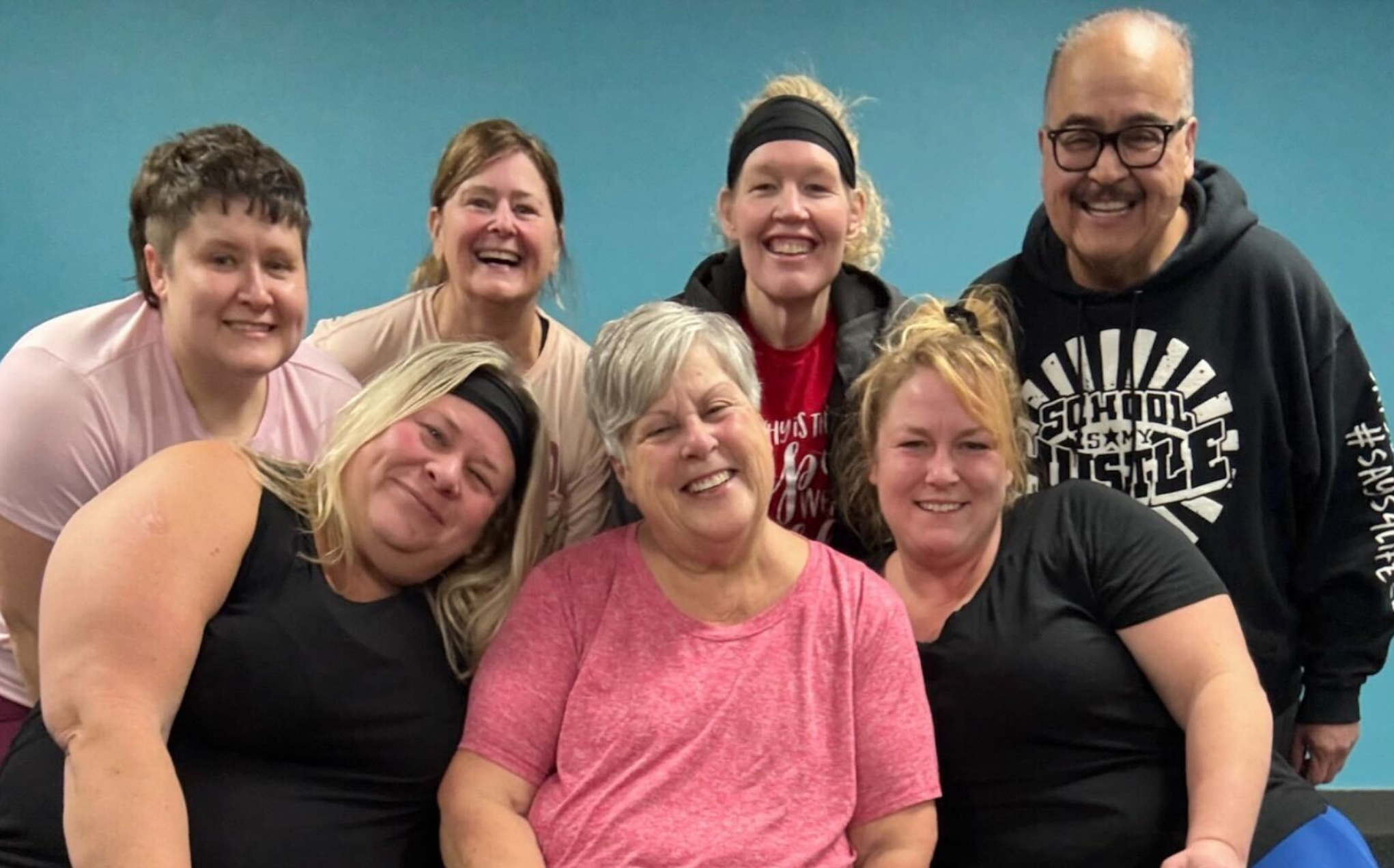
Which is exactly why so many people in Killer Kurves end up realizing the goal was never just weight loss.
Yes, they want results.
But they also want energy, confidence, strength, structure, support, and a way of doing this that actually fits life.
That is why a simple plan often wins:
A few workouts each week, not every day.
Nutrition guidance that does not remove joy.
Coaching for real bodies.
Community for those who don’t feel comfortable in a traditional gym and a reason to keep showing up.
We hope this subtle shift keeps trending. That’s why we wrote this 😉
Health doesn’t mean getting smaller.
It means feeling better in your actual life which is a combination of a million things, not just one.
Recent Comments